India’s Kalpakkam Nuclear Reactor Achieves Criticality Milestone
Synced from Source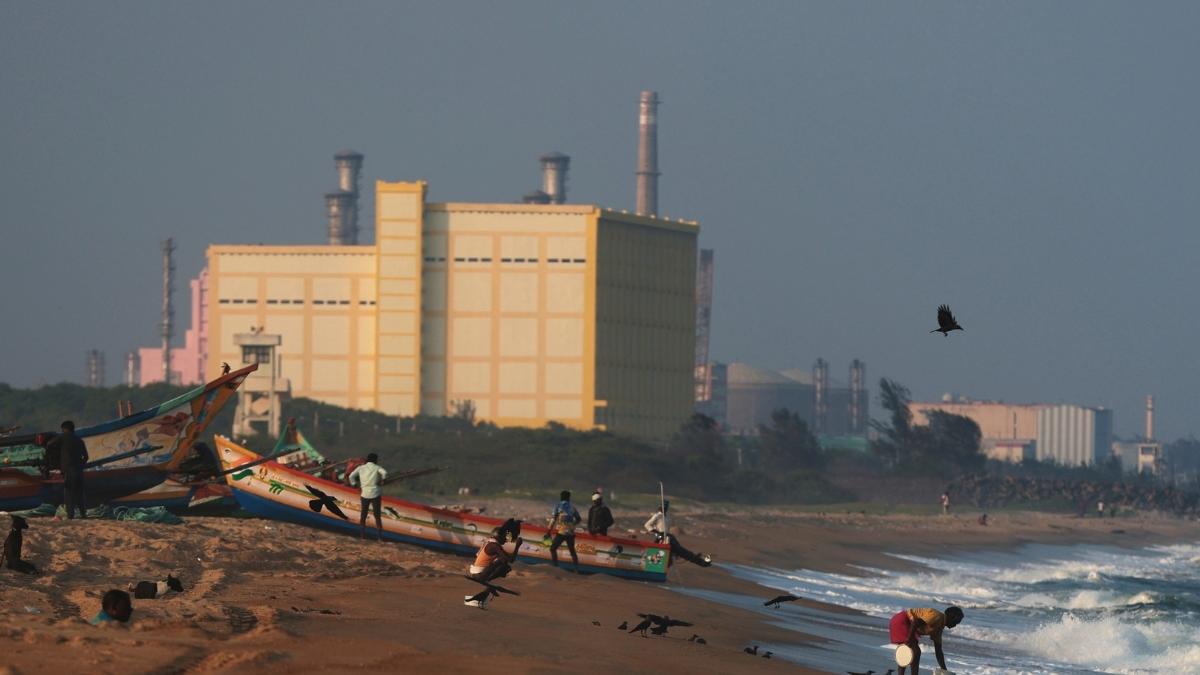
TAMIL NADU: India’s Prototype Fast Breeder Reactor at Kalpakkam has reached criticality, marking a significant advancement in the country’s nuclear energy program. While this milestone offers prospects for cleaner power, it also raises concerns regarding safety and environmental impact. Experts urge a balanced view of nuclear energy’s promises and potential risks.
TAMIL NADU: India has taken a major step in its nuclear energy journey as the Prototype Fast Breeder Reactor (PFBR) at Kalpakkam achieved criticality, signaling progress in the country’s long-term three-stage nuclear program. This milestone represents not just a scientific feat but also raises critical questions about the implications for safety and environmental impact in the context of India’s energy future.
Criticality, in the realm of nuclear reactors, signifies that a self-sustaining nuclear chain reaction has been achieved. This allows the reactor to maintain controlled fission, paving the way for future electricity generation. Essentially, the system is now operational, although real-world testing is necessary before it can be fully relied upon. Fast breeder reactors like the PFBR are designed to produce more nuclear fuel than they consume by using plutonium-based fuel and generating additional fissile material, making them highly efficient.
However, this achievement brings with it a host of considerations. Nuclear energy is often touted as a stable, low-carbon alternative to fossil fuels, providing continuous power whereas solar and wind energy are variable. Still, various environmental concerns persist. For instance, while breeder reactors can recycle some waste, they still generate radioactive residues that require safe, long-term storage solutions. Additionally, the reactors require significant water for cooling, raising questions about their impact on local water resources.
On the safety front, the PFBR employs liquid sodium as a coolant, which reacts violently with both air and water, thus complicating operations and safety management. Though rare, incidents involving leakage or malfunction can potentially expose nearby communities to radiation risks. As seen in previous global nuclear accidents, the presence of thorough evacuation strategies, public awareness, and ready response systems is key to disaster preparedness. Moreover, local communities often express concerns over long-term exposure, highlighting the need for continuous health monitoring.
In conclusion, while the achievement of criticality at Kalpakkam could mark a significant advancement in India's energy ambitions, it necessitates a balanced discourse on the broader implications for safety, environmental stewardship, and public health.
Discussion
Loading comments...