Iran Conflict Escalates as Oil Prices Soar Above $115
Synced from Source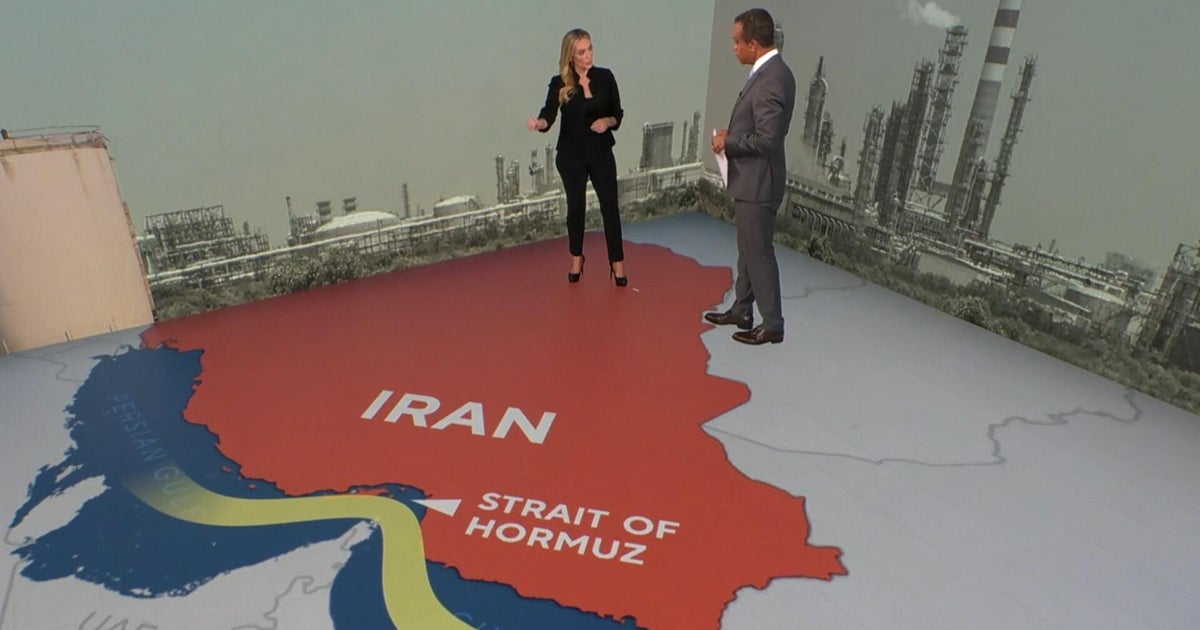
WASHINGTON, D.C.: The Iran conflict intensifies as American gas prices rise and global oil prices reach over $115 a barrel. Pentagon chief Pete Hegseth is seeking $200 billion in funding for military actions. Meanwhile, rising tensions in Iran's leadership continue to create uncertainty in the region, prompting discussions of lifting oil sanctions to stabilize prices.
WASHINGTON, D.C.: The ongoing conflict with Iran has intensified as oil prices soar, reaching over $115 a barrel following an Israel airstrike on a key Iranian gas field. Pentagon chief Pete Hegseth announced plans to request $200 billion from Congress to fund military efforts in the 20-day-old war, stressing the financial needs linked to national security. Speaking at the Pentagon, Hegseth stated, “It takes money to kill bad guys,” highlighting the escalating economic implications of the conflict.
As gas prices nationwide average $3.90 per gallon, global markets are responding to tensions sparked by retaliatory strikes from Iran on oil refineries, coupled with Israel's aggressive strategy in the region. While Brent crude briefly hit $110 earlier in the day, prices began to moderate after Treasury Secretary Scott Bessent hinted at potentially easing sanctions on Iranian oil to boost global supply. He revealed that around 140 million barrels of Iranian oil could become available to mitigate high prices, but experts express skepticism about its potential impact.
Israeli Prime Minister Benjamin Netanyahu expressed uncertainties about Iran's leadership following the death of Supreme Leader Ayatollah Ali Khamenei in the initial attacks. The power vacuum has led to internal strife among Iranian officials, complicating the diplomatic landscape. “We can’t vouch for exactly what is happening there,” Netanyahu noted, referring to the discord within Iranian ranks as they grapple for authority amid threats of assassination.
Despite the fluctuations in pricing, the closure of the Strait of Hormuz — a critical passage for global oil trade — underlines the ongoing risks to market stability. Experts warn that until the Strait is reopened, oil prices are likely to remain elevated, while reports emerge framing Bessent's statement as indicative of a desperate U.S. response to the crisis. The global oil market faces an uphill battle as both sides engage in a costly and dangerous tit-for-tat, making the stakes higher for consumers and economies worldwide.
Discussion
Loading comments...