Iran to Charge $1 Per Barrel for Oil Tankers in Strait of Hormuz
Synced from Source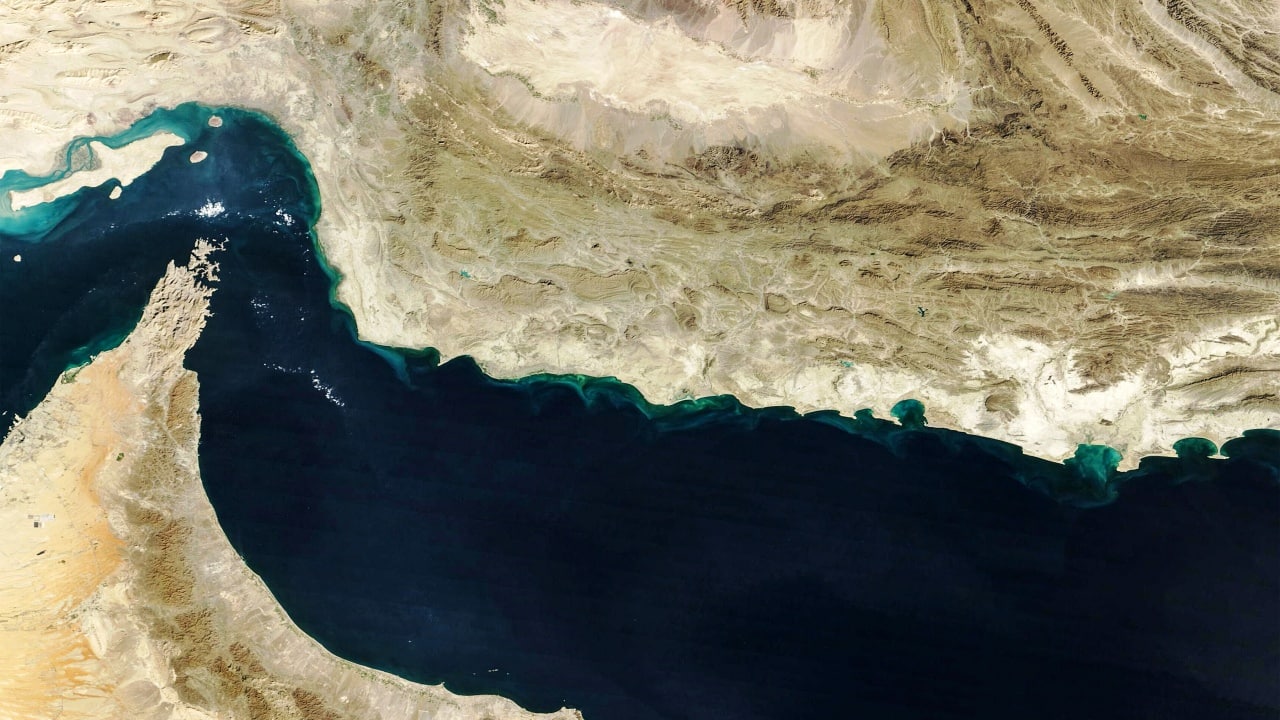
TEHRAN: Iran plans to impose a $1-per-barrel transit toll on oil tankers passing through the Strait of Hormuz. The fee coincides with a limited resumption of shipping activity after a two-week ceasefire. Ships will be required to report cargo details and pay in cryptocurrency for passage.
TEHRAN: In a controversial move, Iran has announced plans to impose a transit toll of $1 per barrel on oil tankers navigating the Strait of Hormuz. This decision comes during a precarious two-week ceasefire, as global shipping routes grapple with uncertainty. According to the Financial Times, Iranian officials aim to implement this scheme even while shipping activity cautiously resumes, with limited traffic reported in recent days.
Hamid Hosseini, spokesperson for Iran's Oil, Gas and Petrochemical Products Exporters’ Union, shared insights into the government's plans, stating, "Each vessel will have to follow the procedures, which will take time," as all ships are expected to undergo inspection before passage approval. Notably, payments for the toll must be made in Bitcoin, a method designed to circumvent international sanctions and provide a degree of anonymity in financial transactions.
The potential imposition of transit fees aligns with a broader context of sourcing critical revenues amid ongoing geopolitical tensions. The Strait of Hormuz, a vital artery for global energy trade, normally facilitates approximately one-fifth of the world's oil and liquefied natural gas. Yet, recent maritime data indicates a severe decline in crossings, with an alarming 95 percent drop compared to peacetime levels. Currently, only a handful of vessels pass through the strait daily, stranding around 800 ships in the Gulf region.
As concerns surrounding security continue to mount, recent reports reveal that at least 30 commercial vessels have faced attacks or incidents in the Gulf since early March. With the International Energy Agency identifying this moment as potentially the most severe supply disruption in history, the urgency for reliable navigation has never been more profound. The proposed toll system could further complicate an already precarious situation, driving up costs for global oil markets.
In a tacit pushback, Oman's transport minister has firmly rejected Iran's toll plans, reinforcing the need for free navigation in the strait. The Strait of Hormuz remains internationally recognized as a passage without imposed transit charges, adding tension to Iran's bold proposition and highlighting the fragility of international maritime agreements in times of crisis.
Discussion
Loading comments...