India Imposes GRAP-4 Restrictions as Delhi Air Quality Hits Severe Levels
Synced from Source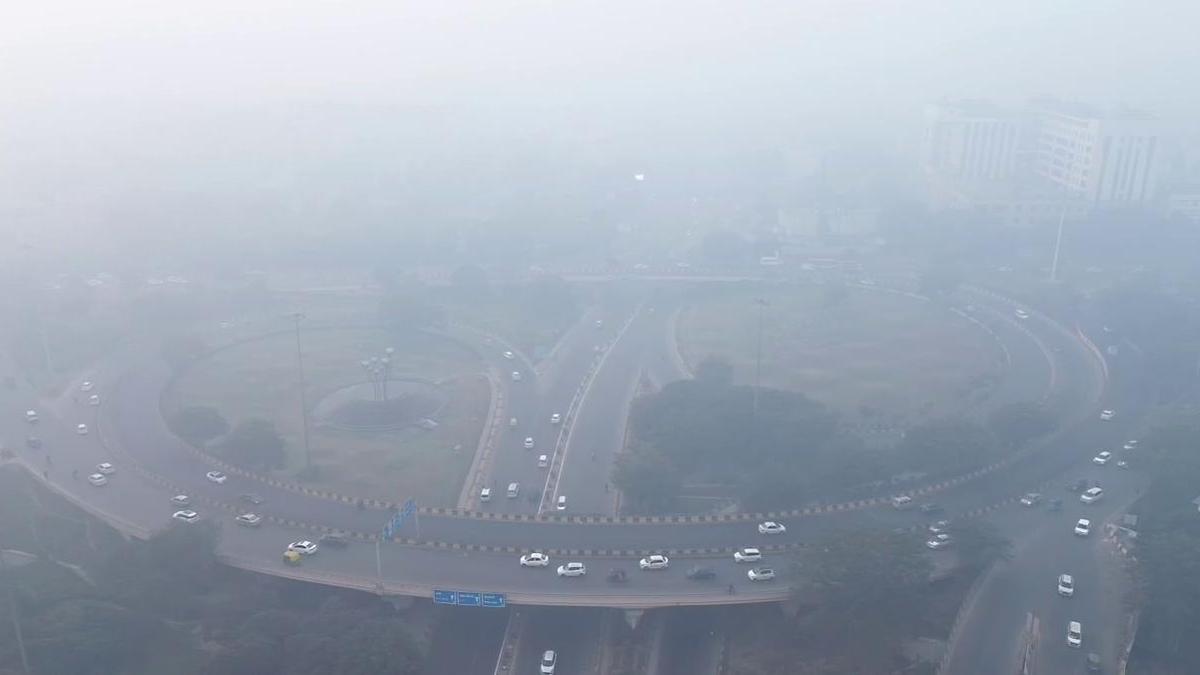
DELHI: India has implemented GRAP-4 restrictions as the air quality in Delhi deteriorated to 'severe', registering an Air Quality Index of 428. Truck traffic, except for essentials, is banned, and school classes will shift to a hybrid mode. Immediate impact measures are enforced to curb the alarming pollution levels.
DELHI: As air quality in the National Capital Territory (NCT) of Delhi hits alarming levels, the Commission for Air Quality Management in NCR and Adjoining Areas (CAQM) has announced stringent restrictions under Stage 4 of the Graded Response Action Plan (GRAP). On the evening of January 17, 2026, the Air Quality Index (AQI) reached a staggering 428, deeming the air quality ‘severe’ and prompting immediate government action. The new measures include a prohibition on the entry of all non-essential trucks into Delhi and nearby regions.
In a bid to address this environment crisis, the CAQM direction also mandates that classes for school students, excluding those in Grades 10 and 12, will be conducted in a hybrid mode. This change affects not just Delhi but also extends to neighboring districts like Gurugram, Faridabad, Ghaziabad, and Gautam Budh Nagar. These regulations are designed to mitigate the health risks exacerbated by poor air quality; the Central Pollution Control Board (CPCB) warns that ‘severe’ pollution levels can severely affect even healthy individuals while posing extreme dangers to those with pre-existing health conditions.
Furthermore, local authorities are encouraged to consider additional emergency measures that may include shutting down colleges and non-essential commercial activities, implementing odd-even vehicle restrictions, and further limiting truck traffic. The regulations allow the entrance of LNG, CNG, electric, and Bharat Stage VI diesel trucks, aiming to ensure that essential services remain operational amid this crisis.
As authorities scramble to combat worsening air pollution, the implications for public health are profound. A consistent downtick in air quality could lead to increased hospital visits and long-term health complications for the population. Residents are urged to remain vigilant as the city enacts these emergency measures in hopes of alleviating the dire public health situation now facing the capital.
Discussion
Loading comments...