Iran Redirects Oil Tankers to IRGC-Controlled Waters in Hormuz
Synced from Source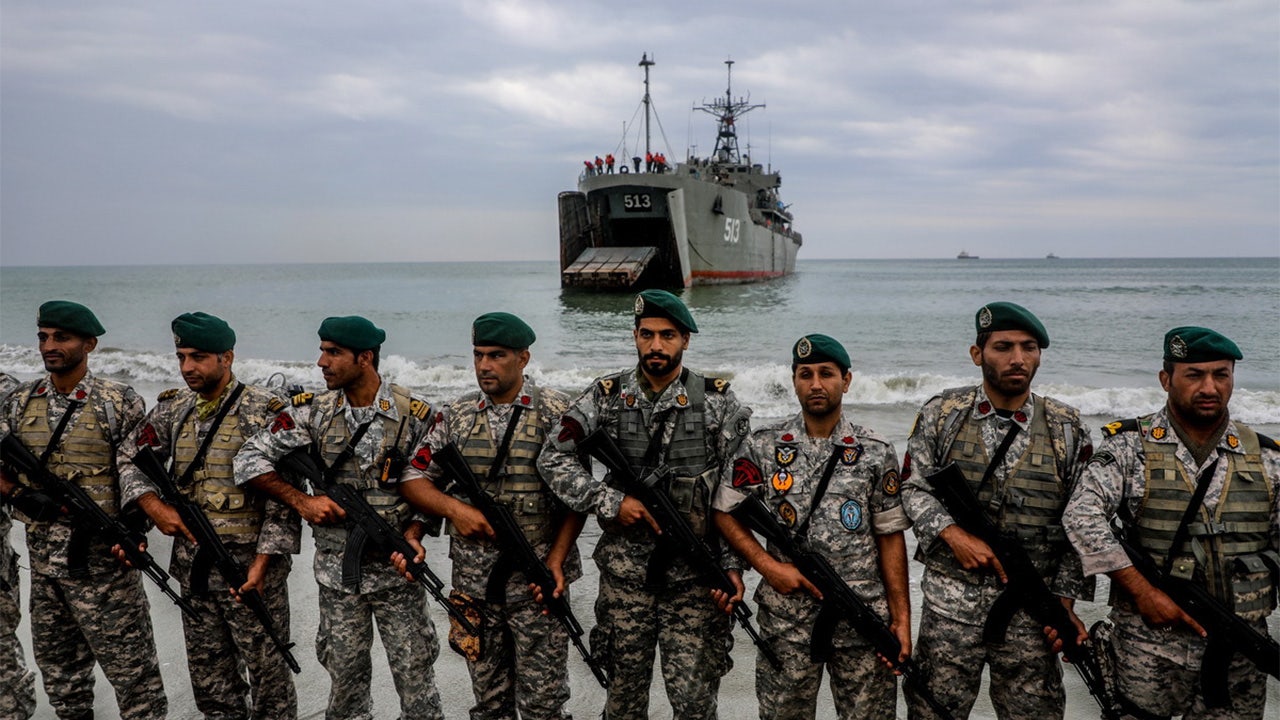
TEHRAN: Iran has announced new alternative routes for oil tankers through the Hormuz Strait, directing them into waters controlled by the Iranian Revolutionary Guard Corps (IRGC). This move raises questions about Tehran's motivations and its implications for global shipping and oil supply. Analysts suggest that heightened control over maritime routes may reinforce Iran's leverage in the region.
TEHRAN: In a bold move that could reshape maritime trade dynamics, Iran has officially announced alternative routes for oil tankers navigating through the strategically vital Hormuz Strait. This directive pushes vessels towards waters patrolled and controlled by the Iranian Revolutionary Guard Corps (IRGC), prompting concerns over increased military presence and control in one of the world's busiest shipping lanes.
The announcement was made during a press conference by an Iranian government spokesperson, who stated, "Ensuring the safety and security of our vessels is paramount." The spokesperson added, "By guiding oil tankers into IRGC-controlled waters, we can more effectively safeguard our interests and respond to potential threats in a timely manner." This declaration follows a series of confrontations in the Strait of Hormuz, where Iran has sought to assert its authority over maritime navigation, particularly in light of escalating tensions with Western nations.
The implications of this strategic shift are profound. The Strait of Hormuz is a critical chokepoint for global oil supply, through which nearly 20% of the world's oil passes. Experts warn that forcing commercial traffic into IRGC-dominated areas could heighten the risk of military encounters and piracy, potentially disrupting oil supply chains and driving up prices globally. “As Iran positions itself firmly in control of maritime routes, the risks for global trade intensify,” asserts Dr. Ahmed Khatami, a geopolitical analyst.
This situation represents a dual-layered threat: not only does it pose immediate risks to shipping safety, but it also sends a stark political message from Tehran about its readiness to use military force to protect its economic interests. As the world watches closely, the shipping industry remains on high alert for potential repercussions that could ripple through global oil markets.
Discussion
Loading comments...