Iran's Ali Khamenei Allegedly Opposed Mojtaba Leadership in Will
Synced from Source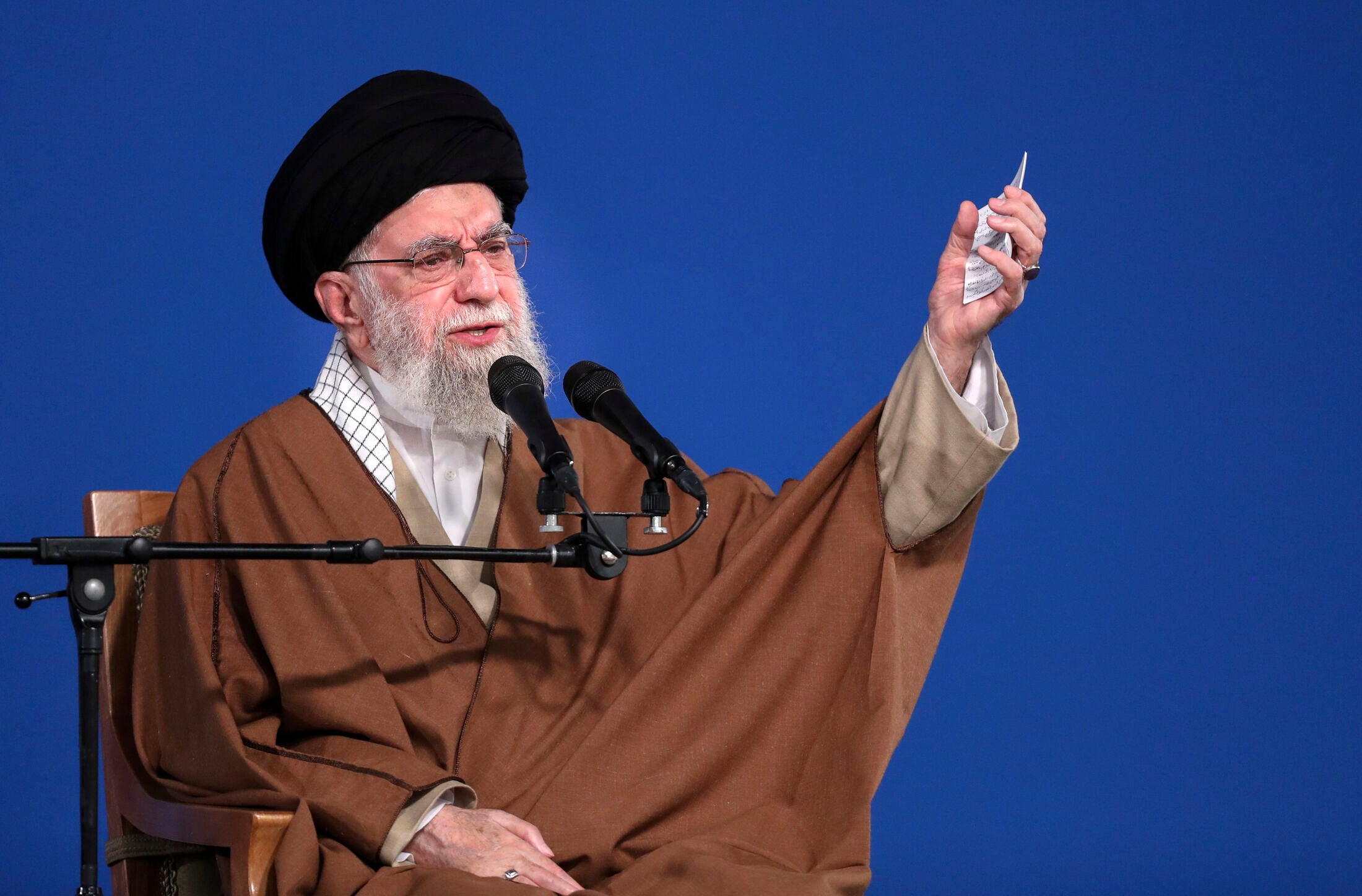
TEHRAN: Allegations have surfaced that Ayatollah Ali Khamenei expressed his disapproval of appointing his son, Mojtaba, as Iran's Supreme Leader in his will. This revelation has sparked significant debate on political succession within Iran, with experts interpreting it as a crucial moment for the country's future governance.
TEHRAN: In a shocking turn of political events, it has been reported that Ayatollah Ali Khamenei, the Supreme Leader of Iran, indicated in his will that his son, Mojtaba Khamenei, should not be made his successor. According to sources close to the late leader, Khamenei expressed a strong reluctance towards the idea of his son's ascendancy to power, raising questions about the future of leadership in Iran. This revelation came to light in the wake of ongoing discussions about Iran's political succession, which are critical for the country amid rising tensions and the need for reform.
Experts specializing in Iranian politics believe this could signal a significant shift for the future governance of the nation. "If true, Khamenei's wishes could be interpreted as an attempt to preserve the integrity of the Islamic Republic and prevent further concentration of power within a single family," noted Dr. Leila Hashemi, a prominent Iranian political analyst. The implications of Khamenei's alleged will extend beyond familial dynamics and delve into the broader socio-political fabric of Iran, which has been experiencing considerable unrest and demands for change.
Understanding the stakes of this issue is vital for the Iranian populace. The public's response to these allegations could influence the course of political discourse and reform in the coming months. As citizens weigh the potential for renewed leadership, the question remains: will Khamenei's legacy endure, or will this revelation catalyze a new era for Iran? As debates unfold, political analysts are closely monitoring the implications of Khamenei's alleged wishes, signaling a pivotal moment where the future of Iran's governance hangs in the balance.
Discussion
Loading comments...