India Supreme Court to Decide Enforcement Directorate's Article 226 Jurisdiction
Synced from Source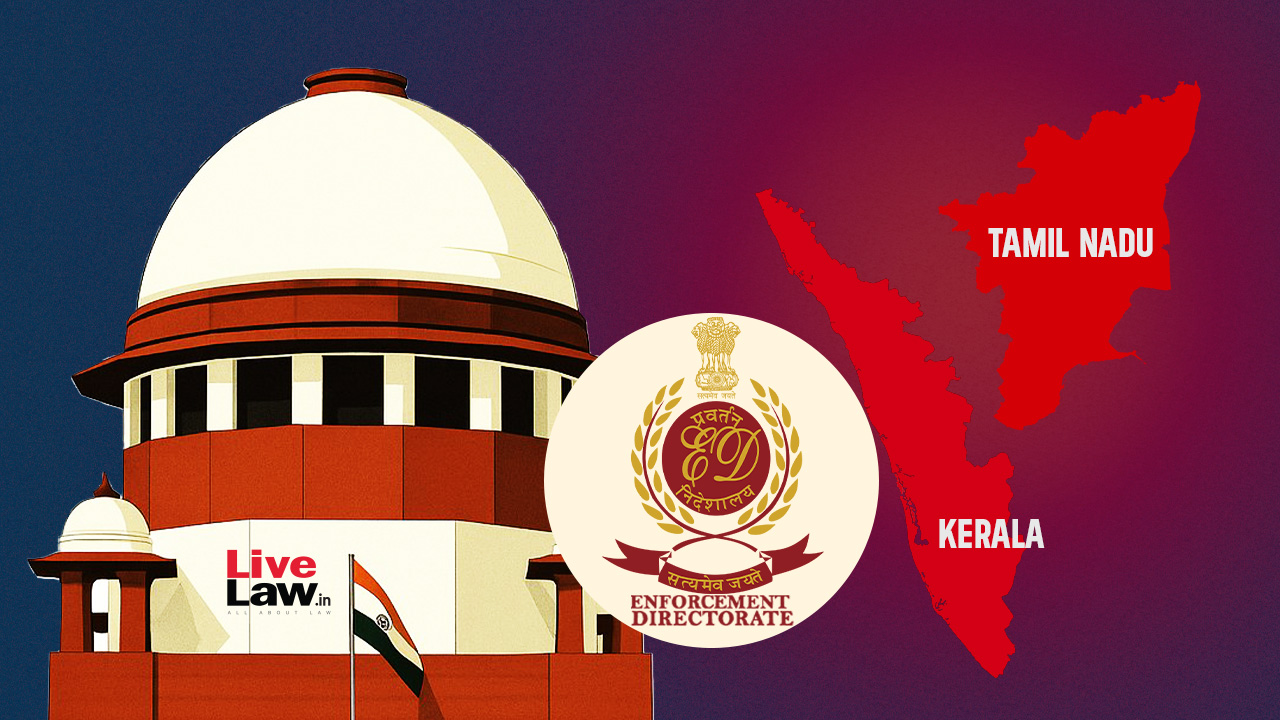
NEW DELHI: The Supreme Court issued notice on pleas from Kerala and Tamil Nadu, questioning the Enforcement Directorate's power to file writ petitions under Article 226. The court is set to examine the legality surrounding the ED's jurisdiction after a controversial ruling from the Kerala High Court.
NEW DELHI: The Supreme Court of India has initiated proceedings regarding the Enforcement Directorate's authority to file writ petitions under Article 226 of the Indian Constitution. On January 20, the court issued a notice concerning petitions filed by the States of Kerala and Tamil Nadu, compelling the ED to defend its statutory status. The responses are due within four weeks, but no immediate stay has been granted on the proceedings.
These petitions arise from a September ruling by the Kerala High Court, which stated that the Enforcement Directorate, being a statutory authority, possesses the power to invoke writ jurisdiction. The Senior Advocate Kapil Sibal, representing Kerala, argued that this ruling holds significant consequences for the state's rights and governance, particularly in the context of central authorities investigating state political figures.
"The key question before the Supreme Court is whether the Enforcement Directorate, a department of the Central Government, can legitimately argue in a case concerning its authority under Article 226," Sibal said during the proceedings. He emphasized that this decision affects ongoing investigations that allegedly target state officials, including Chief Minister Pinarayi Vijayan, in the controversial gold smuggling case.
The case has historical significance; it involves the seizure of significant amounts of gold at Thiruvananthapuram International Airport, allegedly disguised as diplomatic cargo. The ramifications of the ED's actions, especially accusations of coercion against suspects to implicate political leaders, have raised alarms among state authorities. Following the Kerala High Court ruling, the State of Tamil Nadu also joined the legal battle, reinforcing the stance against the ED’s perceived overreach into both states' governance.
This ongoing legal tussle highlights the delicate balance between state and central authority in India, raising pressing questions about jurisdiction and accountability in investigative practices. As the Supreme Court prepares to hear the case, the outcome will likely impact future interactions between state governments and federal investigative agencies, shaping the landscape of legal governance in the country.
Discussion
Loading comments...