Pakistan Emerges as Mediator Between US and Iran Amid Rising Tensions
Synced from Source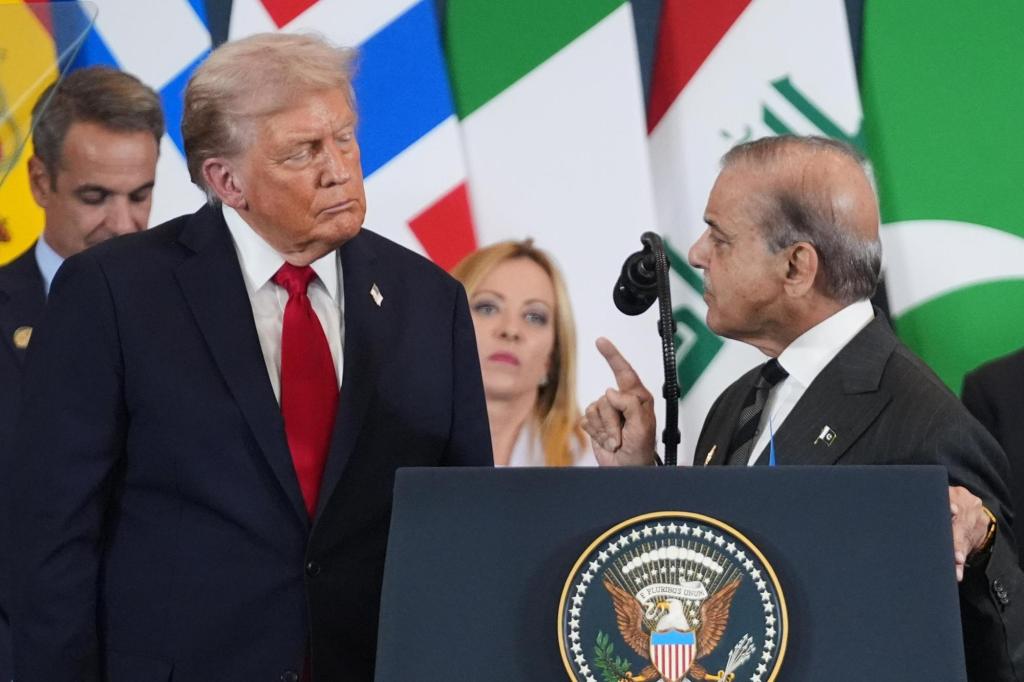
ISLAMABAD: Pakistan offers to mediate talks between the US and Iran as regional tensions rise following military strikes. The Pakistani government states it has begun communication between the two nations, with Foreign Minister Ishaq Dar confirming their readiness to host discussions. Rising hostilities have already led to worsened economic conditions in Pakistan, increasing fuel prices significantly.
ISLAMABAD: As fears of a broader regional conflict mount following recent U.S. and Israeli strikes on Iran, Pakistan is stepping into an unexpected role as a mediator, offering its services to facilitate negotiations between Washington and Tehran. This development comes as Islamabad seeks to leverage its relatively positive relationships with both nations to help de-escalate tensions that could have widespread implications for the region.
In an announcement this week, Pakistani officials confirmed their willingness to host negotiations, claiming that U.S. communication has been conveyed to Iran through discreet channels. While Iran has publicly denied holding talks, it has acknowledged responding to U.S. proposals. "The goal here is to keep open lines of communication," stated Foreign Minister Ishaq Dar. He noted that Pakistan would act as a conduit, with messages being passed back and forth between both nations, but refrained from disclosing who exactly was involved in these exchanges.
Pakistan's growing role is underscored by its geographic proximity to Iran and its long-standing strategic ties with the United States. Analysts emphasize that Islamabad’s involvement could help temper the ongoing conflicts, noting the diplomatic progress may have contributed to a recent reluctance from U.S. President Donald Trump to escalate military responses against Iranian interests. Abdullah Khan, managing director of the Pakistan Institute for Conflict and Security Studies, highlighted that relative restraint on both sides highlights the potential success of Pakistan’s diplomatic efforts.
The stakes for Pakistan are high, with the country heavily reliant on oil and gas imports from the Middle East, where escalating tensions have already led to surging global oil prices. This spike has forced the government of Prime Minister Shehbaz Sharif to raise domestic fuel prices significantly, placing additional strain on an economy already grappling with challenges linked to its own internal conflicts, particularly with neighboring Afghanistan.
As reported protests erupted in Pakistan following the U.S. strikes on Iran, including violent clashes in cities such as Karachi, the potential for external mediation through Pakistan could be a crucial step toward diplomacy. While previous negotiations have predominantly been facilitated by nations within the Middle East, analysts suggest that Pakistan’s unique position may provide a necessary alternative at a time when direct communication appears to be hindered. The coming days will shed light on whether these negotiations yield concrete progress towards peace or exacerbate existing tensions further.
Discussion
Loading comments...