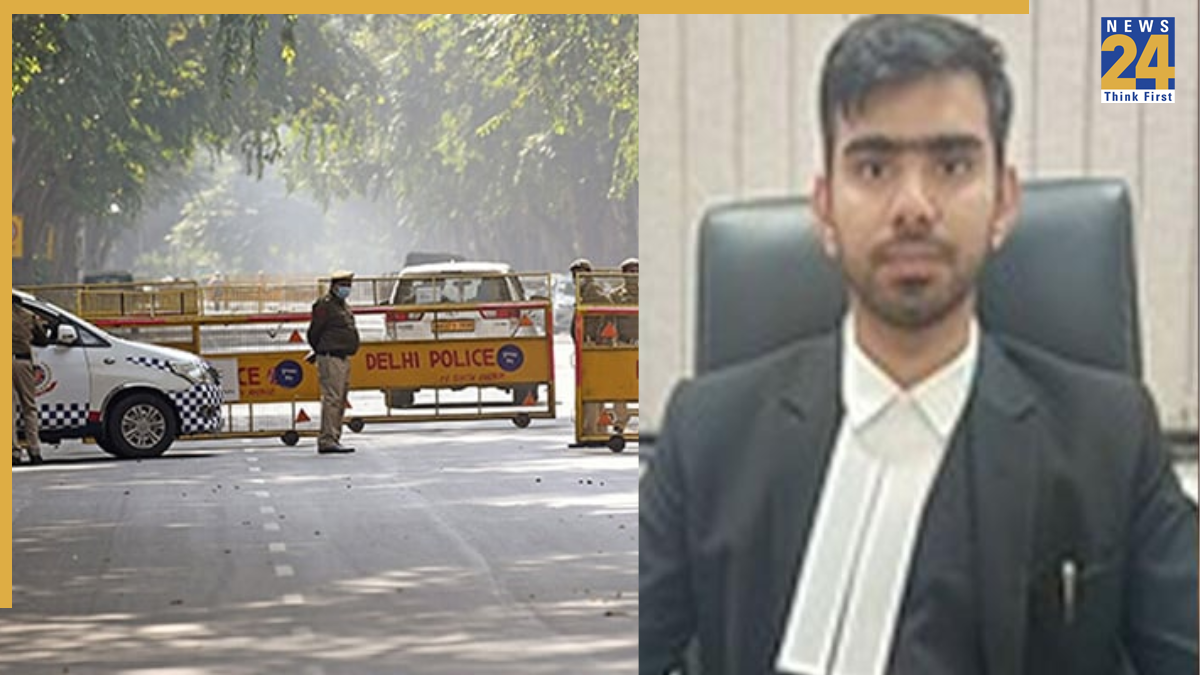
DELHI: A 35-year-old Delhi court judge was found dead at his home, with initial investigations indicating no foul play. The judge, Aman Kumar Sharma, reportedly had an argument with his wife just hours before his death, raising questions about mental health in the legal profession. Authorities are conducting a thorough investigation following this tragic event.
DELHI: In a tragic turn of events, a 35-year-old judge of the Delhi Judicial Services, Aman Kumar Sharma, was found dead at his residence in the Safdarjung area on Saturday. The incident has sent shockwaves through the legal community, raising urgent discussions about mental health pressures faced by judicial officers. Sharma was discovered by police after they received an emergency call about the situation, and initial findings suggest no foul play was involved.
As details emerge, it has been reported that Sharma had an argument with his wife shortly before his death, during which he was seen crying, according to statements from family members. Colleagues remember Sharma as a dedicated professional who was passionate about his work, having taken on a variety of civil and criminal cases since he joined the Delhi Judicial Services on June 19, 2021, after graduating from Symbiosis Law School, Pune, in 2018.
Authorities have initiated a detailed investigation to explore the circumstances surrounding Sharma's death, with a senior officer stating that all personal and professional angles will be examined thoroughly. The body has been sent for a post-mortem examination to ascertain further details and ensure that appropriate legal procedures are followed.
This incident closely follows the recent suicide of a 26-year-old advocate practicing at the Delhi High Court, who also left behind a note stating that no one was to blame for her death. Such occurrences within the legal profession are prompting urgent conversations about the mental health and well-being of lawyers and judges, who often face immense pressure and stress in their roles. The ongoing investigations are seen as critical not just for closure but also for addressing the systemic issues of mental health support in high-stakes professions.
Discussion
Loading comments...