Bangladesh Watches as Khaleda Zia’s Son Enters Politics
Synced from Source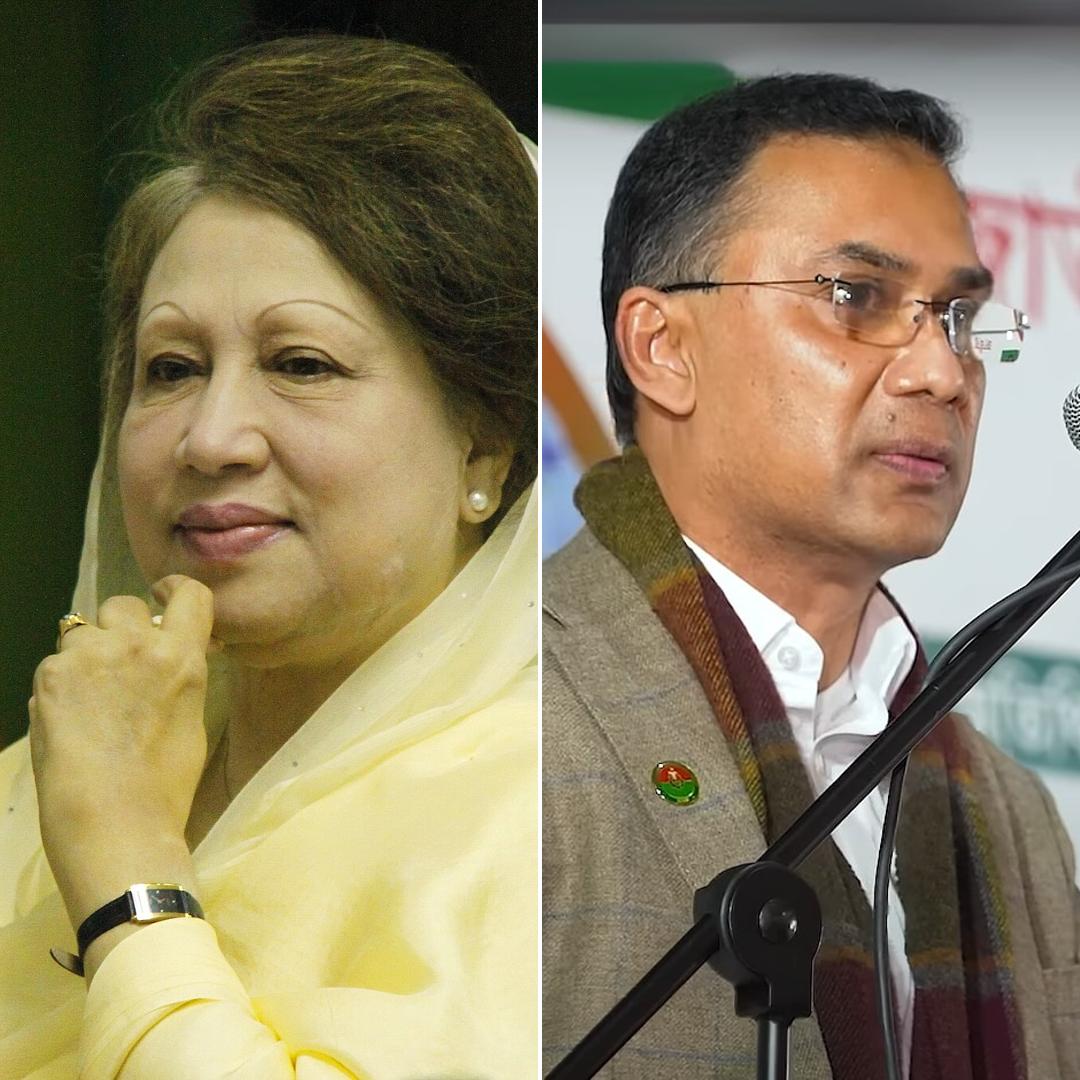
DHAKA: Khaleda Zia's son, Tarique Rahman, is stepping into the political arena, raising questions about his ability to uphold his mother's legacy. With Bangladesh's political climate shifting, observers are keen to see if Rahman can galvanize support and navigate the complexities of leadership. His forthcoming actions will significantly shape the future of the nation's politics.
DHAKA: In a significant move for Bangladesh's political landscape, Tarique Rahman, the son of former Prime Minister Khaleda Zia, is preparing to reclaim the political spotlight. As he steps out of the shadows created by years of political turmoil and imprisonment, many are left pondering whether he can successfully build on the legacy of his mother, a pivotal figure in the nation's politics for decades.
Khaleda Zia, a former Prime Minister and the leader of the Bangladesh Nationalist Party (BNP), has been a central figure in the country’s political arena. After her conviction on corruption charges, which many claim were politically motivated, Tarique has taken it upon himself to mobilize support for the BNP. In his recent speeches, he has emphasized unity and the fight against injustice, aiming to rally his mother’s loyal base. “The people of Bangladesh are ready for change, and it is our responsibility to lead them towards a brighter future,” Rahman stated at a recent function, capturing the hearts of many supporters.
The political climate in Bangladesh is fraught with challenges, marked by tension between the ruling Awami League and opposition parties. As Rahman appears to position himself as a crucial player in the upcoming elections, analysts are curious about how he will navigate the existing power dynamics. His entry could shift the landscape, especially among younger voters who may feel disconnected from the traditional power struggles of past decades.
For many Bangladeshis, the stakes are high, not just for the BNP but for the country’s democracy. The outcome of Rahman’s ambitions may well determine the future of opposition politics in Bangladesh. Should he succeed in carving out a significant role, it could represent a new chapter for the BNP and perhaps a profound change for Bangladesh as it grapples with issues of governance, justice, and national identity. As observers closely watch his every move, the question remains: will he live up to the legacy of Khaleda Zia, or will he falter under the weight of expectations?
Discussion
Loading comments...