Pakistan Minister Slams Israel as Netanyahu Responds
Synced from Source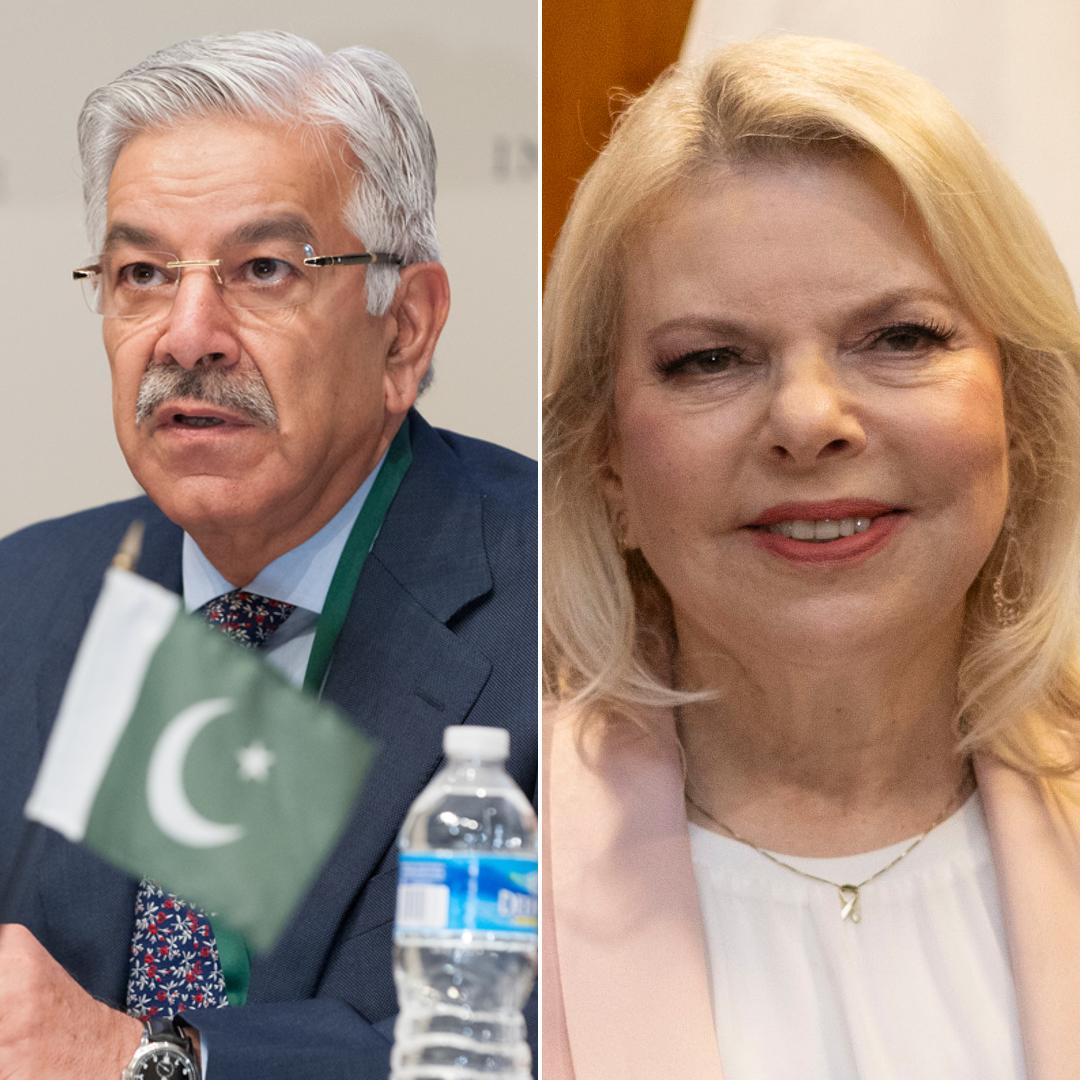
ISLAMABAD: Pakistan Minister Khawaja Asif publicly denounced Israel as "evil" and "cancerous." Israeli Prime Minister Benjamin Netanyahu swiftly countered these accusations, deepening the diplomatic tensions between the two countries. The ongoing rhetoric highlights the escalating discord in the region.
ISLAMABAD: In a fiery statement, Pakistan’s Defense Minister Khawaja Asif took to social media, labeling Israel as “evil” and “cancerous,” igniting further tensions in the fraught relationship between Islamabad and Tel Aviv. The comments came amid heightened conflict in the region, prompting swift backlash.
Asif’s remarks, posted on X (formerly Twitter), condemned Israel for its actions in Palestine and accused it of perpetrating injustices against innocent civilians. “Israel is not just a nation, it is a malignancy that disrupts peace and stability in the Middle East,” he asserted, emphasizing Pakistan’s longstanding support for Palestine. His statements resonated widely across social media platforms, drawing significant attention and debates about the implications of such a harsh characterization.
Israeli Prime Minister Benjamin Netanyahu did not remain silent in the face of these accusations. He retorted that Asif's comments were “irresponsible” and “reflect a deep-seated anti-Semitism that undermines the prospects for peace.” In his response, Netanyahu highlighted Israel's right to defend itself and accused critics of failing to recognize its existence as a sovereign state. “The world must reject such maligning rhetoric that seeks to delegitimize our existence,” he stated during a press conference.
The exchange signals a troubling continuation of hostilities not only between individual nations but also reflects a broader discourse regarding Israel’s role in global politics. With the resurfacing of such hostile narratives, the potential for diplomatic dialogue appears increasingly uncertain. Asif’s incendiary comments and Netanyahu’s rebuttal are likely to evoke mixed reactions among their respective constituents, drawing lines in an already polarized regional landscape.
This incident matters to the general public as it exposes the depth of emotional and political divides over the Israel-Palestine conflict. The repercussions of these statements may further complicate international relations and impact humanitarian efforts in conflict zones, drawing concern from various global institutions about the lasting effects on stability in the region.
Discussion
Loading comments...