Iran Rejects US 48-Hour Ceasefire Proposal Amid Tensions
Synced from Source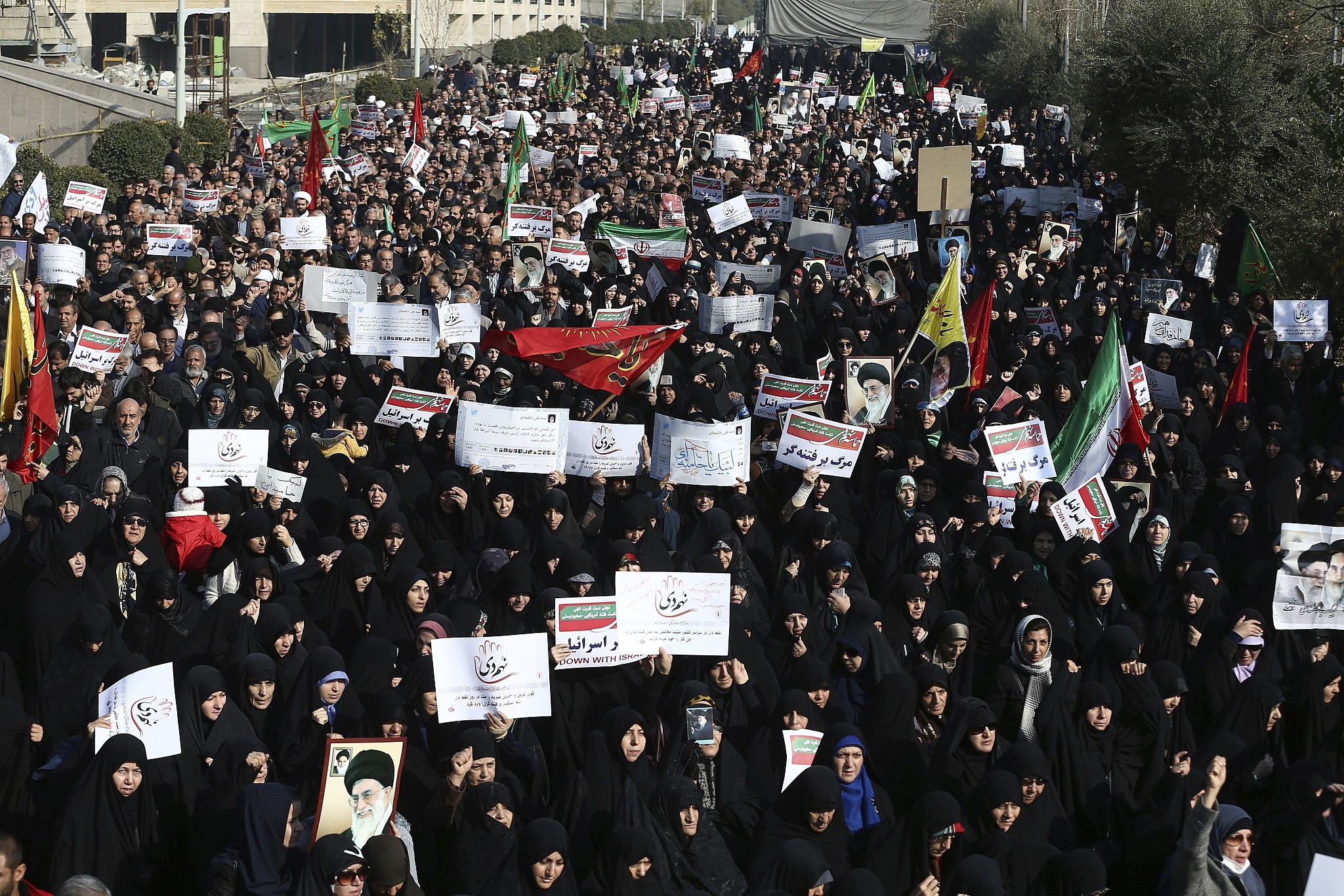
WASHINGTON: Iran has officially rejected a 48-hour ceasefire proposal put forth by the United States amid escalating tensions in the Middle East. This rejection adds to the uncertainty in a region already fraught with conflict. Analysts warn that this could further destabilize the situation, impacting both local and international communities.
WASHINGTON: Iran has firmly turned down a United States proposal calling for a 48-hour ceasefire in the ongoing hostilities in the Middle East. The Iranian Foreign Ministry stated that the ceasefire plan, presented amidst soaring tensions, lacked sincerity and did not address the core issues fueling the conflict. “We do not find these proposals serious, as they sidestep the fundamental rights of our people,” said a ministry spokesperson in a press briefing.
The backdrop of this rejection is a region grappling with profound unrest since the outset of recent hostilities, ignited by longstanding grievances and geopolitical struggles. The U.S. had hoped that its call for a temporary ceasefire would provide a much-needed respite and allow for humanitarian aid to reach civilians trapped in conflict zones. However, Iranian officials expressed skepticism over America’s intentions, suspecting that the proposal might be a strategic move to gain a tactical advantage rather than a genuine effort for peace.
This refusal comes at a time when various Middle Eastern nations are also questioning American influence in the region. Analysts predict that Iran’s rejection could exacerbate existing divisions, potentially leading to further conflict and instability. Regular citizens, already weary from prolonged violence, may find themselves caught in an escalating cycle of retaliatory actions, reminding the global community of the fragile balance in the region.
As nations call for renewed diplomatic efforts, the lack of progress and trust between Iran and the U.S. highlights the urgent need for meaningful dialogue. “Without serious negotiations and tangible solutions, ceasefire proposals will continue to fall on deaf ears,” remarked a diplomatic analyst specializing in Middle Eastern affairs. The implications are broad, affecting not only local communities but also international relations, as the world watches closely to gauge how this rejection may reshape the geopolitical landscape in coming days.
Discussion
Loading comments...